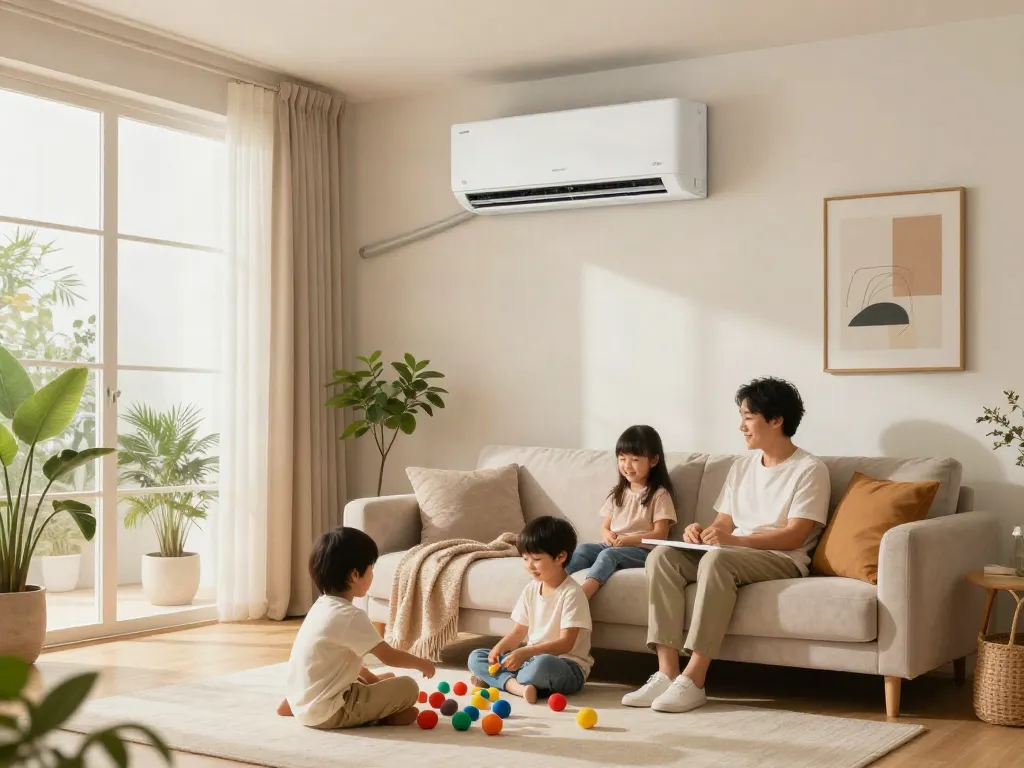
Understanding Ductless Air Conditioners
Ductless air conditioners, often referred to as mini-split systems, are gaining popularity among homeowners and businesses alike for their energy efficiency and versatility. Unlike traditional central air conditioning systems that rely on ductwork to distribute cooled air, ductless systems offer an innovative solution that allows for targeted cooling and heating without the need for extensive renovations. When exploring options, ductless air conditioner systems provide comprehensive insights into the modern advancements in climate control technology.
What Is a Ductless Air Conditioner?
A ductless air conditioner is a type of HVAC system that consists of two main components: an outdoor unit and one or more indoor air-handling units. This design allows for individual temperature control in different rooms or zones, contributing to increased comfort and efficiency. These systems are particularly effective in spaces where conventional ductwork is impractical or impossible to install, such as older homes or additions.
Components and Functionality of Ductless Systems
The key components of a ductless air conditioning system include:
- Outdoor Unit: This component contains the compressor and condenser, which are responsible for cooling the refrigerant.
- Indoor Unit: The indoor air-handling unit distributes cooled or heated air into the living space. These units can be wall-mounted, ceiling-mounted, or even floor-mounted, depending on the design.
- Refrigerant Lines: These lines connect the outdoor and indoor units, allowing for the transfer of refrigerant between both components.
- Remote Control: Many ductless units come with a remote control or can be integrated into smart home systems for convenient temperature management.
How Ductless Air Conditioners Compare to Traditional Systems
When comparing ductless air conditioners to traditional HVAC systems, several factors come into play:
- Installation: Ductless systems are typically easier and faster to install than central air systems, as they don’t require ductwork.
- Energy Efficiency: Ductless air conditioners often have higher SEER ratings, indicating better energy efficiency, which translates to lower utility bills.
- Zone Control: Unlike central systems that cool entire homes uniformly, ductless systems allow for zone-specific cooling, making them more adaptable to varying occupancy needs.
- Space Efficiency: Ductless units are compact and take up less space than bulky ducting, allowing for more design flexibility.
Installation of Ductless Air Conditioners
The installation of a ductless air conditioning system is straightforward, but selecting the right location and handling the installation process correctly is crucial for optimal performance.
Choosing the Right Location for Your Ductless Unit
When selecting a location for your ductless system, consider the following factors:
- Airflow: Ensure that the indoor unit is placed where it can effectively distribute air throughout the room.
- Access: The outdoor unit should be installed in a location that is easily accessible for maintenance and service.
- Noise Considerations: Minimize noise disruption by placing the outdoor unit away from bedrooms and living areas.
Step-by-Step Installation Process Explained
The installation process typically involves these steps:
- Planning: Assess the space and determine how many indoor units are needed based on the layout and size of the area.
- Mounting the Indoor Units: Secure the indoor units to the wall, ensuring they are level and at an appropriate height.
- Installing the Outdoor Unit: Position and secure the outdoor unit in a suitable location, ensuring proper drainage and airflow.
- Connecting Refrigerant Lines: Connect the refrigerant lines between the indoor and outdoor units, ensuring no leaks are present.
- Electrical Connections: Make the necessary electrical connections to power the units.
- Testing the System: Once installed, test the system to ensure it is functioning properly.
Common Installation Challenges and Solutions
Some common challenges during installation include:
- Access to Outdoor Units: Ensure there is sufficient space and a clear path for installation. If space is limited, consider moving obstructions ahead of time.
- Structural Issues: Ensure the wall or surface where the indoor unit is to be mounted can support its weight. Reinforcement may be necessary.
- Refrigerant Line Length: If the distance between the indoor and outdoor units is considerable, consult with a professional to ensure the system is appropriately sized.
Cost Considerations
Understanding the costs associated with ductless air conditioning systems is essential for budgeting and financial planning.
Initial Costs of Ductless Air Conditioner Installation
The initial installation cost for a ductless air conditioner can vary significantly based on factors such as unit size, the complexity of installation, and geographic location. Generally, homeowners can expect to pay between $3,000 to $5,000 for a complete system, which typically includes both indoor and outdoor units along with installation costs.
Long-Term Savings on Energy Bills
One of the primary advantages of ductless systems is their energy efficiency. With SEER ratings often exceeding 20, ductless air conditioners can lead to significant savings on monthly energy bills compared to traditional central systems. Homeowners may save 30-50% on cooling costs, especially in areas with extreme temperatures.
Understanding Maintenance Costs and Needs
Routine maintenance is crucial for the longevity and efficiency of a ductless system. Standard maintenance tasks include:
- Regular cleaning of air filters.
- Annual inspection of refrigerant levels and line integrity.
- Periodic professional servicing to ensure optimal performance.
Maintenance costs can range from $150 to $300 annually, depending on the level of service and the complexity of the system.
Benefits of Ductless Air Conditioners
Ductless air conditioners offer numerous benefits that make them a preferred choice among homeowners.
Enhanced Energy Efficiency and Performance
Ductless systems provide superior energy efficiency due to their inverter technology, which adjusts compressor speed based on cooling needs. This results in lower energy consumption and less wear and tear on the system, leading to prolonged life spans.
Improved Air Quality and Comfort
Because ductless systems do not rely on ductwork, they reduce the risk of dust, mold, and allergens circulating through the air. Additionally, individual zone control allows occupants to maintain their preferred temperatures, enhancing overall comfort.
Noise Levels Compared to Traditional Units
Most ductless units operate at lower noise levels than traditional central air conditioning systems. With indoor units producing sound levels around 19 decibels, they are quieter than a whisper, allowing for a more peaceful environment.
Future Trends in Ductless Air Conditioning
The ductless air conditioning market is expected to evolve with technological advancements and changing consumer preferences.
Innovations and Smart Technology in 2026
As smart technology becomes increasingly integrated into home appliances, ductless systems are also adopting innovations such as WiFi connectivity and smart thermostats, allowing users to control their air conditioning remotely. This integration provides enhanced convenience and energy-saving capabilities.
The Growing Popularity of Ductless Systems
With rising awareness regarding energy efficiency and indoor air quality, ductless systems are gaining traction among consumers. They are especially favorable for renovations, new builds, and homes without pre-existing ductwork.
Predicted Industry Changes and Consumer Preferences
As more homeowners prioritize sustainability, the demand for energy-efficient solutions will likely continue to drive the growth of ductless air conditioning systems. Companies are expected to invest in further innovations to improve system performance and reliability while meeting consumer needs.
Are ductless air conditioners any good?
Yes, ductless air conditioners are an excellent choice for various spaces, providing efficient cooling and heating solutions tailored to individual room needs.
How much does it cost to install a ductless AC unit?
Installation costs typically range from $3,000 to $5,000, depending on system size and installation complexity.
What are the downsides of a mini-split AC system?
While ductless systems offer numerous advantages, potential downsides include higher upfront costs and the need for professional installation.
Is it cheaper to run a mini split or central AC?
Due to their enhanced energy efficiency, ductless systems are generally cheaper to run compared to central AC systems, especially in homes with diverse cooling needs.
Can ductless systems also provide heating?
Yes, many ductless systems can provide both heating and cooling, making them a versatile choice for year-round comfort.