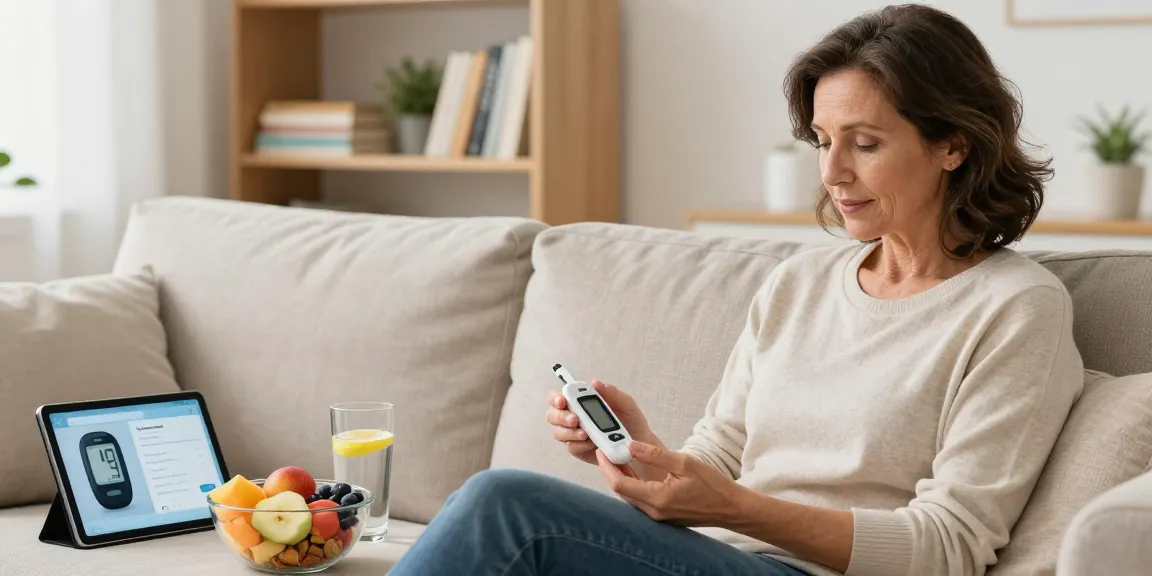
Understanding Diabetes and Its Management
Diabetes is a chronic condition that affects millions of people worldwide, requiring effective management strategies to maintain overall health and well-being. It involves monitoring blood sugar levels, which are critical for adjusting lifestyle choices and medication accordingly. One essential tool for managing diabetes is the diabetes glucometer, which allows individuals to track their blood glucose levels accurately. Understanding diabetes, how it affects the body, and the importance of regular monitoring is vital for anyone diagnosed with this condition.
What is Diabetes?
Diabetes is primarily categorized into two types: Type 1 and Type 2. Type 1 diabetes occurs when the body does not produce insulin, a hormone that regulates blood sugar levels. This type is often diagnosed in children and young adults, and individuals typically manage it with insulin therapy. In contrast, Type 2 diabetes is more prevalent and occurs when the body becomes resistant to insulin or does not produce enough of it. This form can often be controlled through lifestyle changes, such as diet and exercise, but may require medication as it progresses.
The Role of Blood Sugar Monitoring
Monitoring blood sugar levels is crucial for both types of diabetes. It helps individuals understand how their body responds to food, activity, and medication. Consistent tracking of glucose levels can prevent complications such as hypoglycemia (low blood sugar) or hyperglycemia (high blood sugar), both of which can lead to serious health issues. By using a diabetes glucometer, patients can gain immediate feedback on their blood sugar levels, allowing for timely adjustments to their management plan.
Who Needs a Diabetes Glucometer?
Anyone diagnosed with diabetes should consider using a diabetes glucometer. This tool is especially important for those on insulin therapy, as frequent monitoring is essential to avoid dangerous blood sugar fluctuations. Additionally, individuals managing Type 2 diabetes through diet and exercise may also benefit from using a glucometer, as it can provide insights into how different foods affect their blood sugar levels.
Selecting the Right Diabetes Glucometer
With numerous glucometers available on the market, selecting the right one can feel overwhelming. However, understanding the different types and key features can guide your choice effectively.
Types of Glucometers Available in 2026
As of 2026, glucometers have evolved significantly. The primary types you may encounter include:
- Traditional Blood Glucometers: These devices require a small blood sample, typically taken from a fingertip, to provide a reading.
- Continuous Glucose Monitors (CGMs): These devices track glucose levels continuously throughout the day and night, providing real-time data and alerts.
- Smart Glucometers: These devices connect to smartphones and apps, allowing for advanced data analysis and integration with health management tools.
Key Features to Look for in a Glucometer
When selecting a glucometer, consider the following features:
- Accuracy: Look for glucometers that have been clinically validated for their accuracy.
- Ease of Use: Choose a model that is user-friendly, especially if you require frequent testing.
- Data Management: Some glucometers offer data storage and connectivity to apps for better tracking and analysis.
- Size and Portability: Consider the size of the device and whether it is easy to carry for on-the-go testing.
Comparing Costs and Insurance Coverage
The cost of glucometers can vary widely, with some being available for free through health insurance coverage or pharmacy programs. It’s essential to check with your health insurance provider about coverage options for glucometers and test strips, as this can impact your out-of-pocket expenses significantly.
How to Use Your Diabetes Glucometer Effectively
Using a diabetes glucometer correctly is vital for obtaining accurate readings. Here’s a step-by-step guide to ensure you are using it effectively.
Step-by-Step Guide to Testing Blood Sugar
- Prepare Your Glucometer: Ensure that your device is clean and the test strip is inserted correctly.
- Wash Your Hands: Clean your hands with soap and water to prevent contamination.
- Obtain a Blood Sample: Use a lancing device to prick the side of your fingertip for a blood sample.
- Apply Blood to the Test Strip: Place the blood drop onto the test strip as per the glucometer’s instructions.
- Read the Result: Wait for the glucometer to display your blood sugar reading.
- Log Your Results: Keep track of your results for future reference or discussions with your healthcare provider.
Tips for Accurate Readings
For more accurate readings, consider these tips:
- Use the correct test strips compatible with your glucometer.
- Store test strips properly, away from heat and moisture.
- Test your blood sugar at the same times each day for consistency.
- Ensure your glucometer is calibrated according to the manufacturer’s instructions.
Common Mistakes to Avoid
To ensure accurate monitoring, avoid the following common mistakes:
- Failing to wash hands before testing.
- Using expired test strips.
- Not recording results regularly.
- Ignoring manufacturer guidelines for use and maintenance.
Interpreting Your Glucometer Readings
Understanding the readings provided by your glucometer is essential for effective diabetes management.
Understanding Blood Sugar Ranges
Blood sugar levels can fluctuate throughout the day. Generally, the target ranges are:
- Fasting (before meals): 80-130 mg/dL
- Two hours after eating: Less than 180 mg/dL
Your healthcare provider may set individual targets based on your health needs.
When to Seek Medical Advice
Consult your healthcare provider if your readings consistently fall outside your target range. High readings may indicate poor diabetes control, while lows could signal hypoglycemia, requiring immediate intervention.
Integrating Readings into Overall Health Management
Incorporating your blood glucose readings into a comprehensive health management plan enhances your overall well-being. Utilize these readings to adjust your diet, physical activity, and medication as needed. Discuss patterns and trends with your healthcare provider to optimize your diabetes management strategy.
Future of Diabetes Management Technologies
The landscape of diabetes care is rapidly evolving, bringing forth innovative technologies aimed at improving patient outcomes.
Emerging Trends in Diabetes Care for 2026
In 2026, you can expect to see advancements such as:
- Artificial Intelligence: AI-driven apps to predict blood sugar spikes based on dietary intake and activity levels.
- Telemedicine Integration: Increased use of virtual consultations for diabetes management.
- Smart Insulin Pens: Technologies that automatically adjust insulin dosages based on real-time glucose data.
The Impact of Wearable Technology
Wearable devices that monitor glucose levels are becoming increasingly popular. These technologies can provide continuous data without the need for frequent finger pricks, offering a more convenient way to manage diabetes.
Expert Predictions for Diabetes Management
Experts predict that by 2030, the integration of technology in diabetes management will lead to more personalized and effective treatment plans, significantly improving the quality of life for individuals living with diabetes.
What should I do if my glucometer readings are consistently high?
If you notice consistently high readings, it’s important to consult with your healthcare provider. They may recommend medication adjustments, a reevaluation of your diet, or an increase in physical activity. Keeping a log of your readings can provide valuable insights during your appointment.
How often should I test my blood sugar levels?
The frequency of testing depends on your diabetes type and treatment plan. For those on insulin, daily testing may be necessary, while those managing Type 2 diabetes may test less frequently. Your healthcare provider can recommend a tailored schedule to ensure effective management.
Are there other tools to track diabetes management?
In addition to glucometers, there are various tools like mobile apps, insulin pens with tracking capabilities, and food diaries to monitor dietary intake. These resources can complement your glucometer use and enhance overall diabetes management.
How can diet affect my glucometer readings?
Diet plays a significant role in managing diabetes. Foods high in carbohydrates can cause blood sugar spikes, while low-glycemic foods can help maintain stable levels. Understanding how different foods affect your glucose readings can empower you to make informed dietary choices.
What innovations can we expect in diabetes management tools?
Future innovations may include more advanced CGMs that utilize real-time data analysis, wearable biosensors that provide instant glucose readings, and AI-powered coaching apps that offer personalized health advice based on data trends. As technology continues to evolve, so will the tools available to support diabetes management.